NFT Infrastructure – Tools for Building NFT Apps
Project Name: thirdweb
Year Founded: 2021
Country / Origin Team: UK
Project Type: Infrastructure
Website: https://thirdweb.com
Founder: Steven Bartlett, Furqan Rydhan
Social:
- Twitter: https://twitter.com/thirdweb
- Discord: https://discord.gg/thirdweb
- GitHub: https://github.com/thirdweb-dev
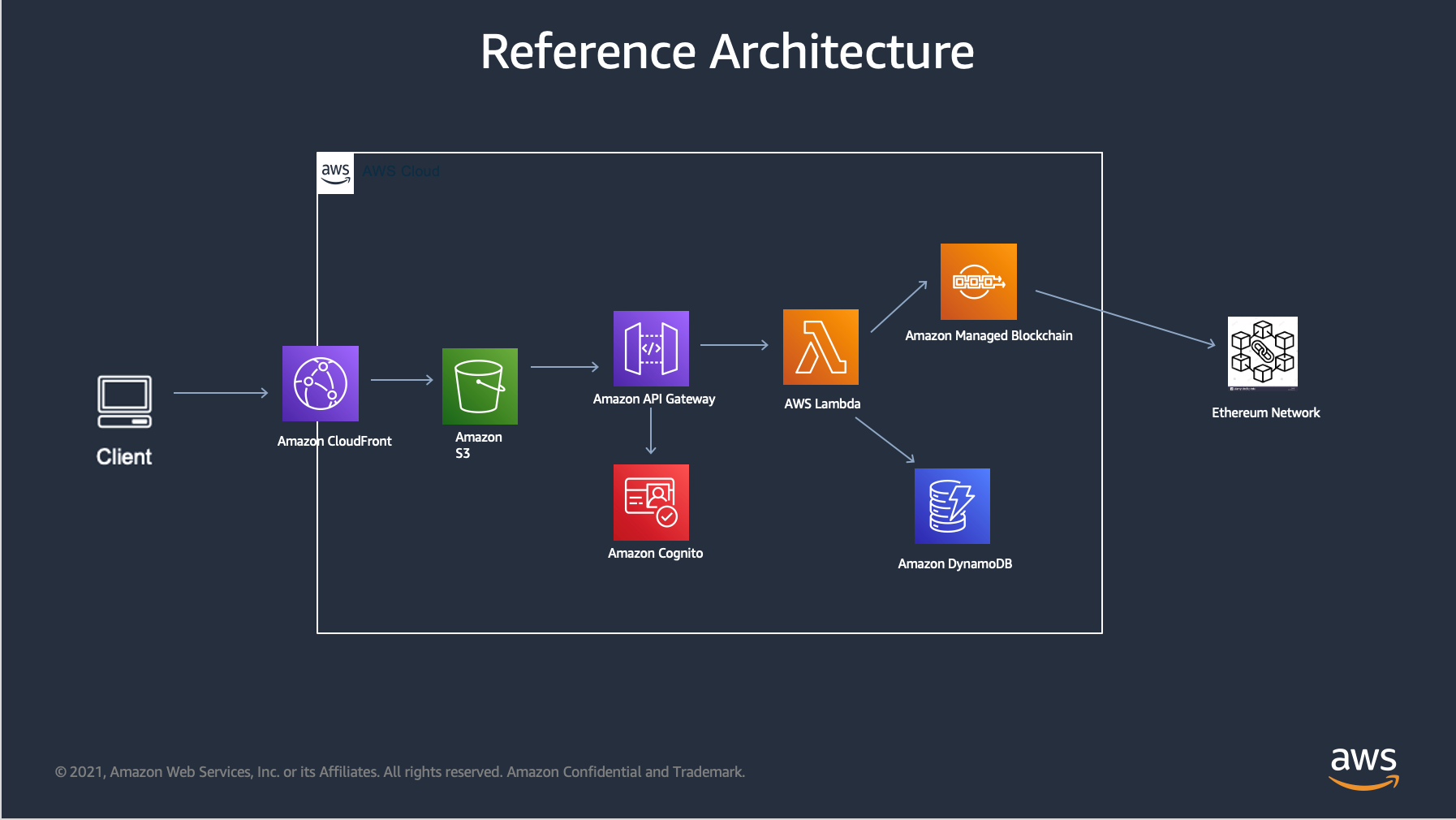
The booming world of Non-Fungible Tokens (NFTs) relies heavily on a robust and comprehensive infrastructure. Much like a city needs roads, utilities, and buildings to thrive, the NFT ecosystem requires a sophisticated set of tools and services to enable creators, developers, and users to mint, manage, trade, and interact with digital assets. NFT infrastructure encompasses everything from blockchain protocols and smart contract standards to storage solutions, indexing services, and user-friendly platforms that abstract away blockchain complexities, empowering the creation and scaling of innovative NFT applications.
At its core, NFT infrastructure begins with the underlying blockchain technology. Ethereum, for instance, has been a foundational layer for many NFTs since its launch in 2015. Its programmable blockchain allows for the creation and execution of smart contracts, which are the backbone of NFTs. Standards like ERC-721 and ERC-1155 define how unique digital assets are created and managed, ensuring interoperability across different platforms. Beyond Ethereum, other blockchains like Solana, Polygon, Flow, and Avalanche have emerged, each offering their own unique infrastructure components and advantages, often addressing scalability and transaction cost concerns.
Building upon these foundational blockchains, various tools simplify the development process. Minting platforms and SDKs provide developers with libraries and APIs to easily create and deploy NFT collections without deep blockchain expertise. Decentralized storage solutions, such as IPFS (InterPlanetary File System) and Arweave, are critical for securely hosting the metadata and media files associated with NFTs, ensuring that digital assets remain truly decentralized and immutable. Indexing services, like The Graph, allow developers to query and organize vast amounts of blockchain data, making it easier to build applications that display real-time NFT information and user activity.

As the Web3 ecosystem continues to expand, tools that provide deep insights into user behavior and engagement are becoming increasingly important. For NFT projects, understanding communities, user preferences, and emerging trends is crucial for growth and adoption. This is where platforms like Web3Lead come into play.
Web3Lead is a powerful user-growth platform built specifically for Web3 and crypto projects. It gives you access to over 400 million social profiles and 1.2 million Web3/crypto communities, enabling deep insights into user behavior and trends. With its analytics tools, you can monitor and segment communities, identify high-potential users, and predict emerging trends. Their user-growth engine helps you acquire real users by providing contactable data like email, phone, and social profiles. Web3Lead supports data-driven growth strategies, helping Web3 projects scale efficiently and sustainably.
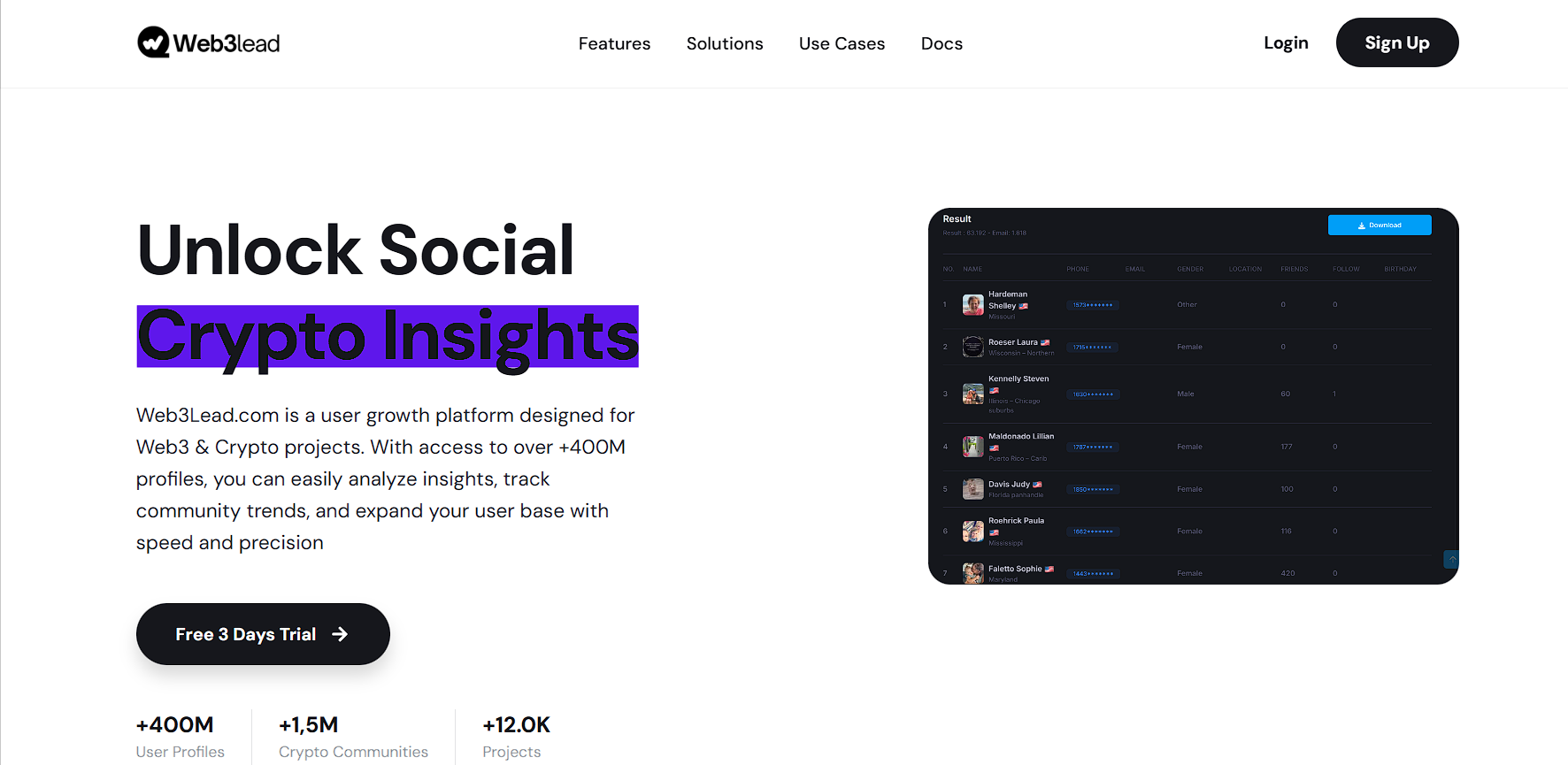

Developers building NFT applications can leverage Web3Lead to identify key stakeholders, target communities interested in their specific NFT collections or games, and optimize their user acquisition strategies. By combining robust NFT infrastructure with growth-focused tools like Web3Lead, projects can accelerate adoption and achieve sustainable engagement within the decentralized ecosystem.
The evolution of NFT infrastructure also extends to enhancing user experience and broader accessibility. Solutions for gasless transactions, fiat-to-crypto on-ramps, and sophisticated wallet integrations are becoming more common, lowering the barrier to entry for mainstream users. Furthermore, layer-2 scaling solutions and cross-chain bridges are vital components of NFT infrastructure, allowing for faster, cheaper transactions and enabling NFTs to move seamlessly across different blockchain networks. This interconnectedness fosters a more liquid and diverse NFT market, supporting innovations like fractionalized NFTs, dynamic NFTs that change over time, and NFTs used for digital identity or intellectual property management.
The continuous development of these tools and platforms is what truly empowers creators and developers to push the boundaries of what is possible with digital ownership. A robust and interconnected NFT infrastructure, paired with intelligent growth strategies, will undoubtedly be the driving force behind the next wave of innovation in the digital asset space.