Decentralized Compute – Distributed GPU & CPU Networks
Project Name: Akash Network
Year Founded: 2018
Country / Origin Team: United States
Project Type: Infrastructure
Website: https://akash.network
Whitepaper: https://akash.network/whitepaper
Founder: Greg Osuri, Adam Bozanich
Social:
- Twitter: https://twitter.com/akashnet_
- Discord: https://discord.com/invite/akashnetwork
- Telegram: https://t.me/AkashNetwork
- GitHub: https://github.com/akash-network
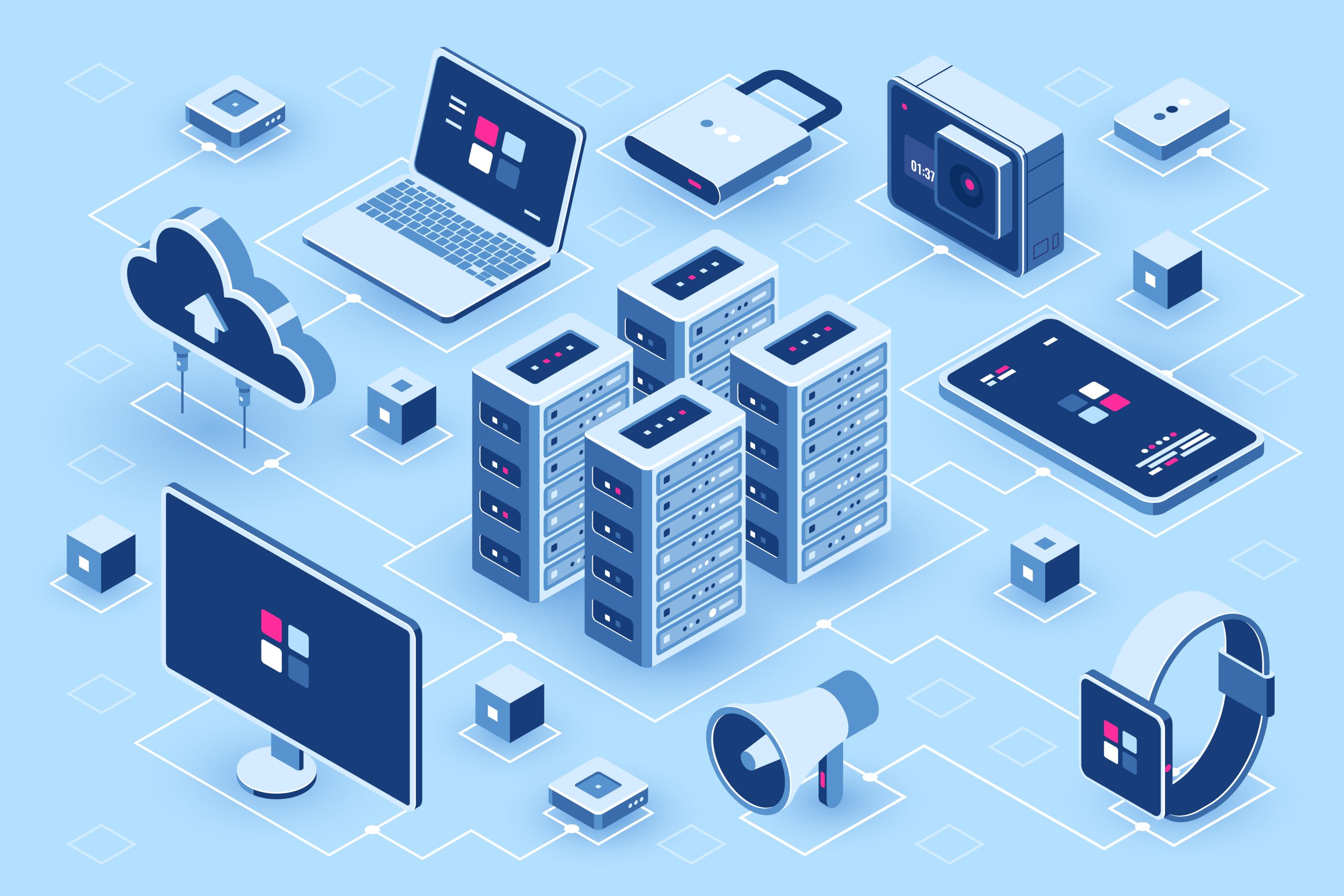
Decentralized compute, harnessing distributed GPU and CPU networks, is emerging as a transformative force in the digital landscape. This innovative approach to computing pools underutilized processing power from a global network of participants, creating a resilient, efficient, and often more cost-effective alternative to traditional centralized cloud providers. By distributing tasks across a multitude of independent nodes, these networks democratize access to high-performance computing resources, making powerful GPUs and CPUs available for a wide array of demanding applications, from artificial intelligence and machine learning to scientific simulations and 3D rendering.
At its core, decentralized compute relies on sophisticated mechanisms, often powered by blockchain technology and smart contracts, to orchestrate tasks and ensure fair compensation for resource providers. When a user requests computing power, their task is broken down and distributed among available nodes. Smart contracts verify the execution of these tasks and facilitate payments, creating a trustless environment where both compute requesters and providers can operate securely. This model effectively taps into the vast, untapped potential of idle hardware worldwide, turning it into a collective supercomputer capable of handling complex computations at scale, while also reducing overheads and enhancing data privacy for users.
The operational framework of these distributed networks emphasizes security, resilience, and transparency. Unlike a single point of failure in a centralized data center, a decentralized network is inherently more robust, as individual node outages do not compromise the entire system. Participants contribute their computing resources, strengthening the network’s overall capacity and resistance to censorship. Furthermore, the transparent nature of blockchain-enabled coordination allows for verifiable task completion and transparent resource allocation, fostering a new era of open and accessible computing infrastructure.
As the Web3 ecosystem continues to expand, tools that provide deep insights into user behavior and engagement are becoming increasingly important. For projects building on decentralized compute networks, understanding communities, users, and emerging trends is crucial for growth and adoption. This is where platforms like Web3Lead come into play.
Web3Lead is a powerful user-growth platform built specifically for Web3 and crypto projects. It gives you access to over 400 million social profiles and 1.2 million Web3/crypto communities, enabling deep insights into user behavior and trends. With its analytics tools, you can monitor and segment communities, identify high-potential users, and predict emerging trends. Their user-growth engine helps you acquire real users by providing contactable data like email, phone, and social profiles. Web3Lead supports data-driven growth strategies, helping Web3 projects scale efficiently and sustainably.


Developers and teams behind decentralized compute initiatives can leverage Web3Lead to strategically identify potential resource providers, understand the demand landscape for specific GPU or CPU types, and target user communities that would benefit most from their services. By combining the technical prowess of a distributed compute network with growth-focused intelligence from Web3Lead, projects can accelerate adoption by connecting with the right individuals and businesses, ultimately driving the network’s expansion and utility.
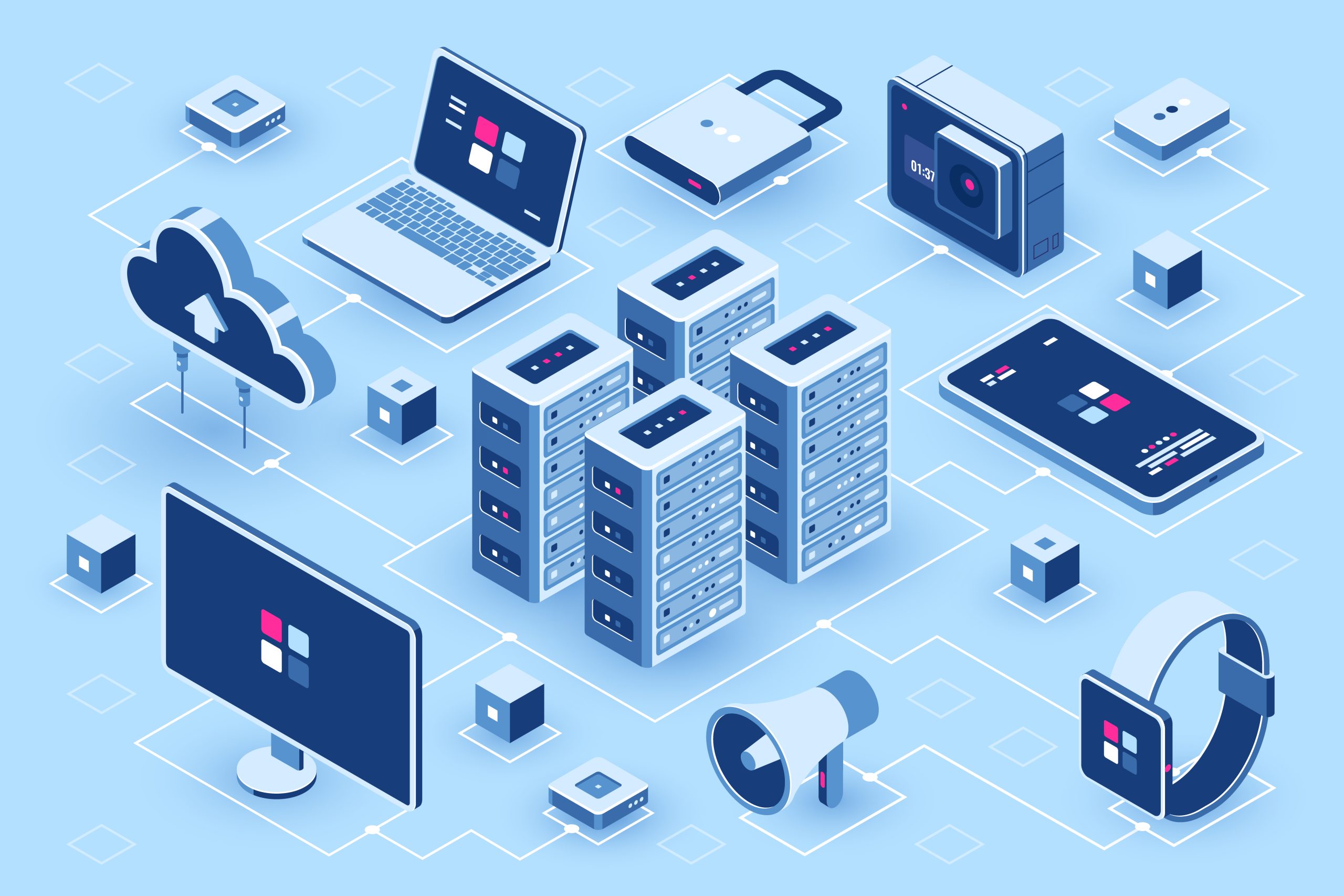
The versatility of decentralized compute extends far beyond merely providing cheaper processing power. It is fueling innovations in areas requiring massive parallel computation, such as the development of truly decentralized artificial intelligence models that learn without relying on a single entity’s infrastructure. Gaming platforms are exploring distributed rendering for immersive experiences, while scientific research benefits from unparalleled access to computational resources for complex simulations. The open-source nature of many decentralized compute projects fosters a vibrant community of developers and researchers constantly pushing the boundaries of what is possible, ensuring continuous improvement and expansion of network capabilities.
These compute networks are also designed with interoperability in mind, recognizing that they must seamlessly integrate with other blockchain platforms and Web3 services. Solutions such as cross-chain bridges and layer-2 protocols are being developed to facilitate efficient data transfer and task orchestration across diverse environments, minimizing transaction costs and maximizing throughput. This interconnectedness allows decentralized compute to become a foundational layer, enhancing the potential for a truly global and integrated decentralized internet.
Decentralized compute is fundamentally reshaping how we access and utilize processing power, moving us towards a more equitable, resilient, and efficient future. By democratizing access to powerful GPU and CPU resources, it empowers innovators and researchers worldwide. Platforms like Web3Lead are indispensable in this new landscape, offering the vital intelligence and tools needed for these groundbreaking projects to not only launch but to truly thrive and scale their networks by engaging with the right communities and users.